Welcome to the Online Lecture Series:
Ehime University × ASEAN
Designing a Sustainable Future Together
Ehime University
×
ASEAN
Let’s design a sustainable future together!
Ehime University has received support from the Ministry of Education, Culture, Sports, Science and Technology (MEXT) under the “Project for Strengthening Global Development Capabilities.” We are developing a special program for international students from ASEAN countries to learn about the sustainable food value chain and SDGs while experiencing the nature and culture of Japan’s rural areas.
Practical program to learn through the charms of Ehime
Grasp specific ways to contribute to the SDGs through Japan’s regional experiences.
https://www.jv-campus.org/jvc-provider/357164/
Learning Points
- Focusing on primary industry and food industry, learn through field interviews.
- Explore sustainable production and distribution using local resources.
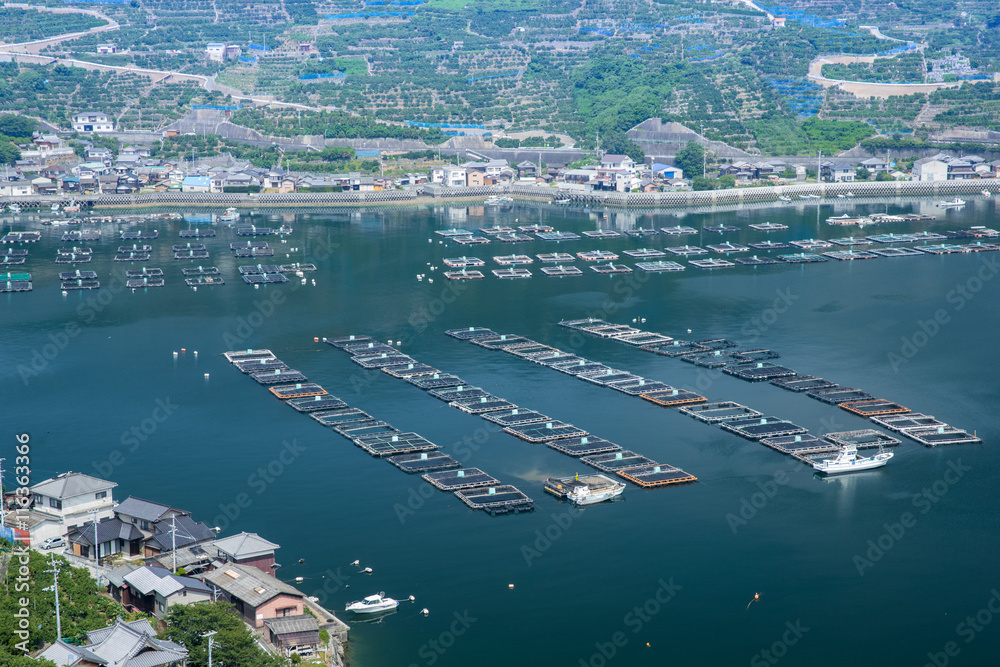
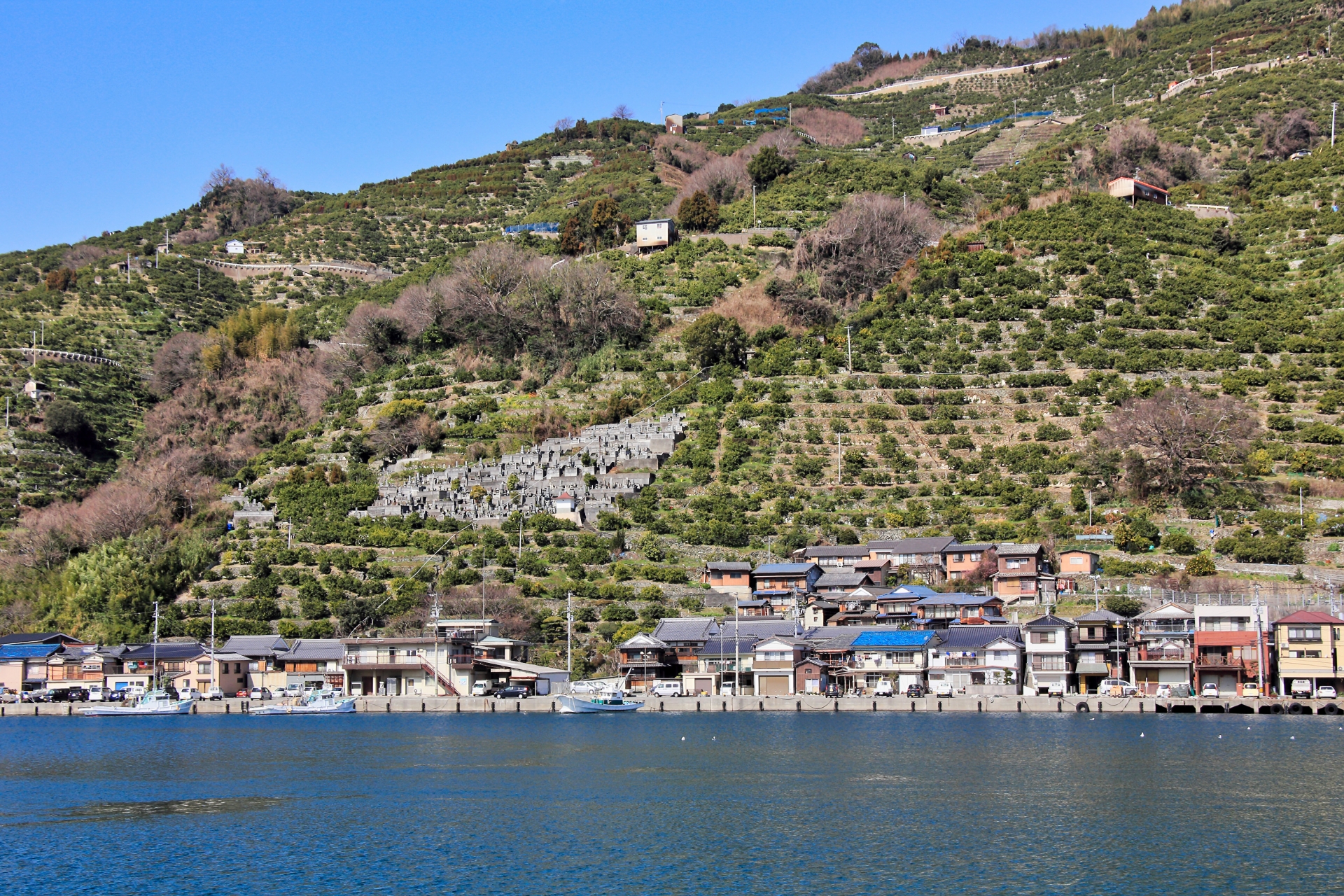
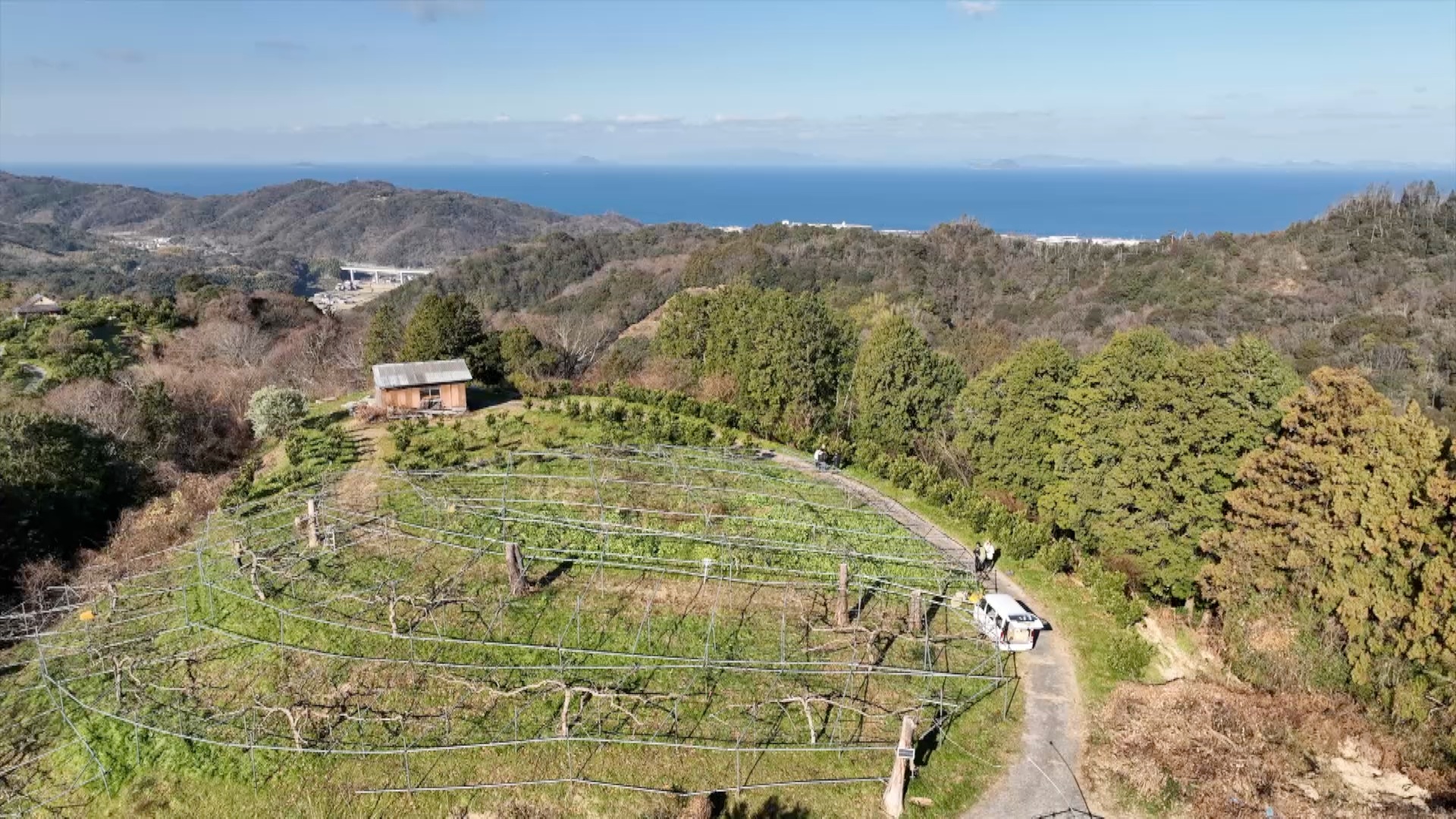
- Learn Masanobu Fukuoka’s natural farming methods for an eco-friendly future.
- Learn a new perspective of “multi-species” where all life coexists.
- Participation of “student influencers” spreading learning on SNS.
- Experience Ehime via online events utilizing the Metaverse.
- Study abroad counseling and group work available.


Outline of the Project
Consolidation into JV-Campus
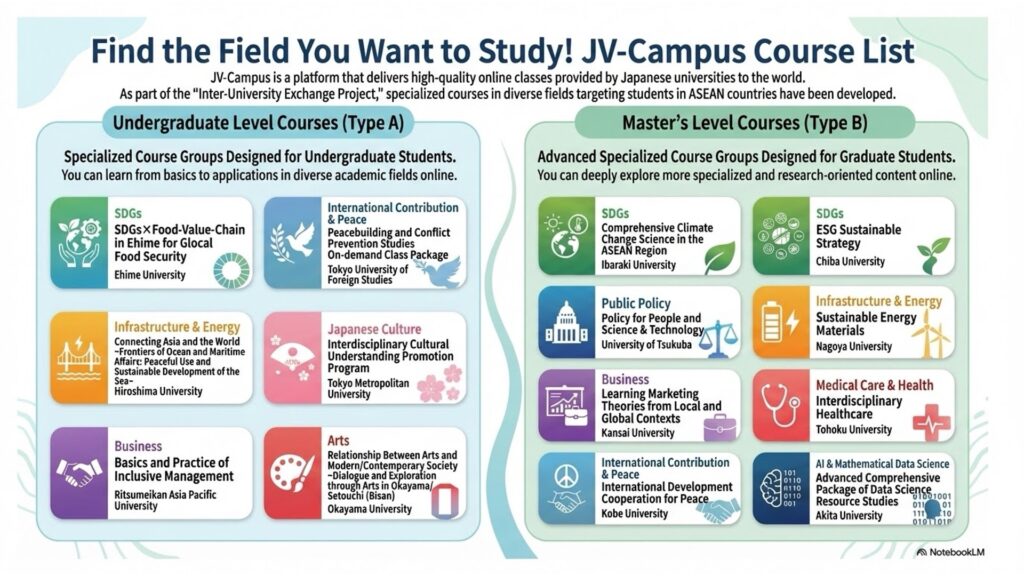
Universities create credit-granting educational content published on JV-Campus. Selected: 9 Type A (Undergraduate) and 8 Type B (Master’s).
Measures for credit recognition
Credits earned abroad before entering or as exchange students will be officially recognized by Japanese universities.
Credits for package application
At least 4 credits of related courses. Undergraduate: [at least 2 credits of liberal arts courses].
Project Objectives
-
●
Global Leadership: Fostering leaders who can contribute to global sustainability through local wisdom.
-
●
Academic Network: Strengthening international cooperation between Japan and ASEAN universities.
-
●
Quality Education: Implementing quality-assured online curriculum recognized for academic credits.
-
●
Sustainable Community: Exploring food value chains and multispecies health for a resilient future.
Meet Our Expert Team
Prof. Osamu Kobayashi

Prof. Hideyuki Kurita

Prof. Motoko Shimagami

Prof. Rupprecht Christoph
Prof. Osamu Kobayashi
Researches science education using cutting-edge AI. He is known for his trademark beard and ponytail-style chonmage—a modern samurai topknot.
Prof. Hideyuki Kurita
An economist with a passion for island life & beer. Specializes in regional research across ASEAN & African countries.
Prof. Motoko Shimagami
Deeply fascinated by Indonesia, she studies rural communities in both Indonesia and Japan, fostering local connections.
Prof. Rupprecht Christoph
Trilingual nature lover researching sustainability science and the coexistence of humans and other species.
Course Curriculum
Complete 60 Lessons across 4 Specialized Modules
Prof. Osamu Kobayashi
Module A: SDGs × Food-Value-Chain in Ehime for Glocal Food Security
| No. | Topic Name |
|---|---|
| 1 | Guidance: To take this course in a meaningful way |
| 2 | Interpreting Online Data Related to the SDGs |
| 3 | Interpreting Online Data Related to Food Security |
| 4 | Masanobu Fukuoka’s Natural Method (1) |
| 5 | Masanobu Fukuoka’s Natural Method (2) |
| 6 | Food Value Chain and Glocal Food Security |
| 7 | Human Activity Limits: Planetary Boundaries |
| 8 | Achieving SDGs: Current Challenges |
| 9 | Food Value Chain for SDGs Challenge (1) |
| 10 | Food Value Chain for SDGs Challenge (2) |
| 11 | Food Value Chain for SDGs Challenge (3) |
| 12 | Role of SDG Consumer Education (1) |
| 13 | Role of SDG Consumer Education (2) |
| 14 | Reimagining Future: Backcasting |
| 15 | Learning for our common future! |
Prof. Hideyuki Kurita
Module B: Local × Sustainability: Economics of branding rural Japan through Ehime case
| No. | Topic Name |
|---|---|
| 1 | Let’s learn for our common future! |
| 2 | What is Food Value Chain? (Analytical Tool) |
| 3 | Grasp of Variety of Farmers through FVC |
| 4 | Challenges in Japanese Agriculture |
| 5 | Branding Strategy of Local Government |
| 6 | National policy to revitalize rural Japan |
| 7 | Specialty Products & Tourism in Ehime |
| 8 | Roadside Station 1 : KARARI |
| 9 | Roadside Station 2 : Agora Marche |
| 10 | ITADAKI brand from rural small city |
| 11 | Magenta Mikan 6th industrialization |
| 12 | Gogo Island 1 : Branding Strategies |
| 13 | Gogo Island 2 : Tourism under construction |
| 14 | Food Value Chain Revisited |
| 15 | Re-cordination for our Common Future |
Prof. Motoko Shimagami
Module C: Food and Agriculture Sustainability and Local Initiatives
| No. | Topic Name |
|---|---|
| 1 | Food and Agricultural Sustainability |
| 2 | How to explore sustainability: Guidelines |
| 3 | Japan’s Agricultural Distribution System |
| 4 | Citrus Farming System in Nanyo, Ehime |
| 5 | Town development through school lunch |
| 6 | Local Food Waste Composting (1) |
| 7 | Local Food Waste Composting (2) |
| 8 | Introduction to marine food systems |
| 9 | Case Study: Ainan Fisheries Cooperative |
| 10 | Developing Mikan Fish: Uwajima Project |
| 11 | Uwa Sea to Dining Tables: Value Chain |
| 12 | Building Future with Foreign Talent |
| 13 | Chain of Value: Catracha Coffee |
| 14 | Role of Youth and Outsiders in Agriculture |
| 15 | Sustainability Initiatives at Ehime Univ. |
Prof. Rupprecht Christoph
Module D: Multispecies sustainability theory of food and agriculture
| No. | Topic Name |
|---|---|
| 1 | Introduction to multispecies sustainability |
| 2 | Human needs: well-being in context |
| 3 | Human needs Ⅱ: Happiness & Society |
| 4 | Human needs Ⅲ: Multispecies health |
| 5 | Non-human needs: animals, plants, etc. |
| 6 | Non-human needs Ⅱ: Relational needs |
| 7 | Politics of sustainable food: Justice |
| 8 | Politics of sustainable food Ⅱ: Intersectionality |
| 9 | Politics of sustainable food Ⅲ: More-than-human |
| 10 | Economics of sustainable food Ⅰ |
| 11 | Economics of sustainable food Ⅱ: Commons |
| 12 | Economics of sustainable food Ⅲ: Degrowth |
| 13 | Imagination Ⅰ: How to face the future |
| 14 | Imagination Ⅱ: Fiction and Art |
| 15 | Imagination Ⅲ: From games to policy |